
CNC Electronics Rebuild: The End of Inconsistency
The Unscripted Workshop is supported by its readers. When you purchase products or services using the links on this site, we may earn a small commission at no additional cost to you. Learn more
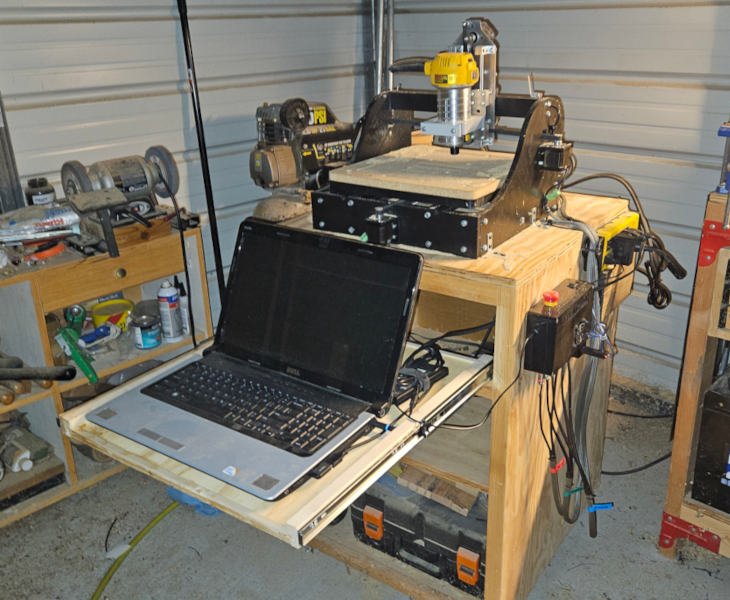
When I first purchased my Millright M3 CNC machine back in 2020, I was never a fan of the manufacturer's basic electronics installation (but I went with it anyway because I just wanted to get the thing up and running). The UNO R3 controller and exposed wiring were left vulnerable on the side of the machine, unprotected from dust, chips, and vibration during milling. This quickly spiraled into four years of hell with inconsistent performance, random failures, and endless troubleshooting. I spent more time working on it than I did using it.
This project wasn't a choice; it was a necessary, unscripted intervention to save the machine and my sanity.
Chasing Ghosts: The Misdiagnosed Problems
For years, the machine would randomly lose position, stall mid-job, or refuse to home correctly. I methodically pursued every major theory, convinced the issue was complex:
- Software and Driver Swaps: I experimented with G-code senders and tried to upgrade the stepper drivers to DRV8825s, spending time wrestling with GRBL settings and Vref calibration.
- System Re-Wiring: I focused on grounding and noise, convinced the shop environment was creating a destructive EMI loop.
The truth, as it often is in the workshop, was far simpler and much cheaper.
Happy Accident: Sparks!
The true source of all my headaches turned out to be inadequate electrical connections, specifically the notoriously loose and poorly crimped DuPont-style connectors throughout the original system.
This realization immediately shifted the goal of the rebuild: it wasn't just about component replacement; it was about achieving absolute reliability through systematic electrical work. The final system is now fully calibrated to provide reliable, accurate, and consistent results (+/−0.07mm).
Component and Enclosure Design
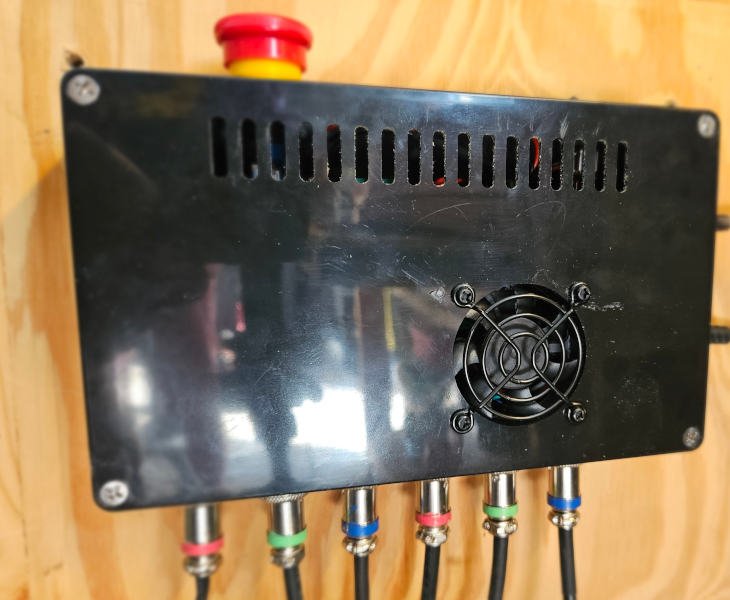
To eliminate the inconsistencies permanently, I scrapped the original setup and designed a custom, purpose-built electronics enclosure. The entire system needed to protect components, manage heat, and eliminate electrical noise (EMI).
New Component Overview:
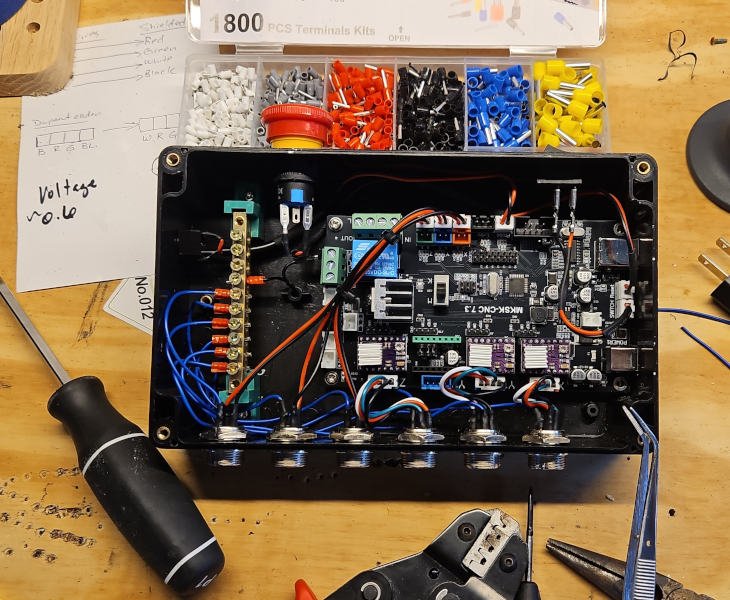
- Controller: MKSK-CNC 7.3, replacing the old Arduino + CNC Shield combination.
- Drivers: Reverted to reliable A4988 drivers, set to 1/16 microstepping, with a meticulously calibrated Vref of 0.96V.
- Enclosure: A compact 200×120×56 mm ABS box, providing a dedicated home for the electronics.
Protection and Cooling
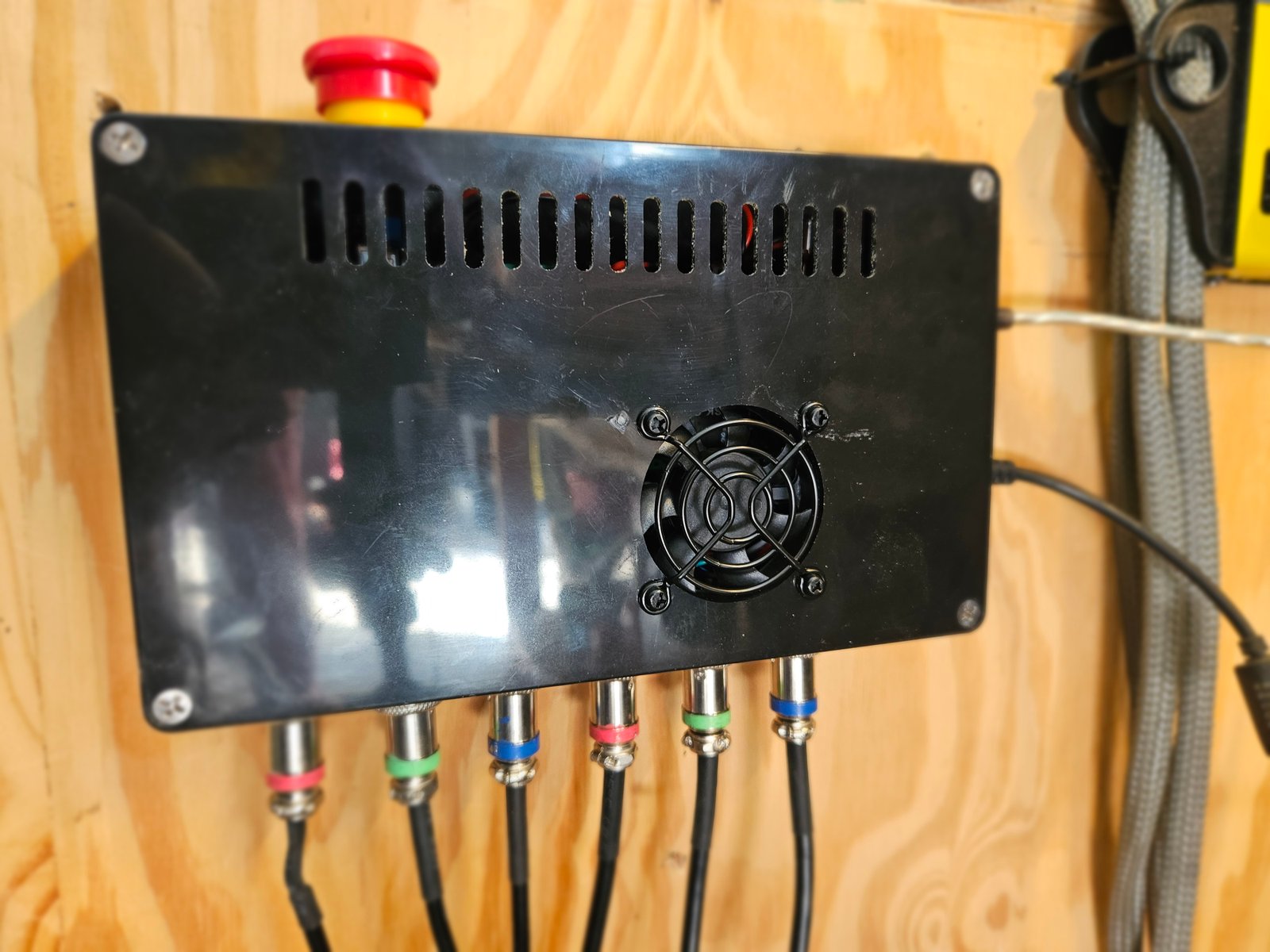
Achieving a balanced environment required precision. I installed a 50 mm fan on the inside of the enclosure lid creating positive pressure to cool the stepper drivers and electronics, with passive vents allowing warm air to escape. This setup was cut into the enclosure lid after all components were tested and calibrated. It's very functional and ensures a clean, cool, and safe operating environment.
Reliable Wiring
This was the core of the rebuild, focusing on eliminating all failure points:
- Shielding: Shielded cable was used for all motors and limit switches to reduce EMI, with the shielding grounded to a bus bar connected to the controller's ground terminal.
- Terminations: Wire ferrules were crimped on all stranded wires terminating in screw terminals to ensure solid, high-reliability connections.
- Connectivity: All axis connections (motor and limit switches) use robust, color-coded GX16 panel connectors (X=red, Y=blue, Z=green) for simple, organized serviceability.
- Safety: A large, red Emergency Stop button was added as a crucial safety feature.
Final Thoughts
This CNC electronics rebuild was a perfect example of how doing things the wrong way, even if you suspect it's wrong, leads to unscripted journeys down the road. It wasn't a quick fix; it was a multi-year struggle followed by a purposeful, deliberate, and disciplined solution implementation.
If you're wrestling with a nagging inconsistency in your own machine, remember this lesson: Consistent Work Beats Perfect Plans. Don't overlook the simple, foundational components as they often hold the key to the most frustrating problems.
See the detailed steps, key components, and meticulous wiring that went into solving four years of inconsistencies.